Vehicle Dynamics

 Vehicle Dynamics

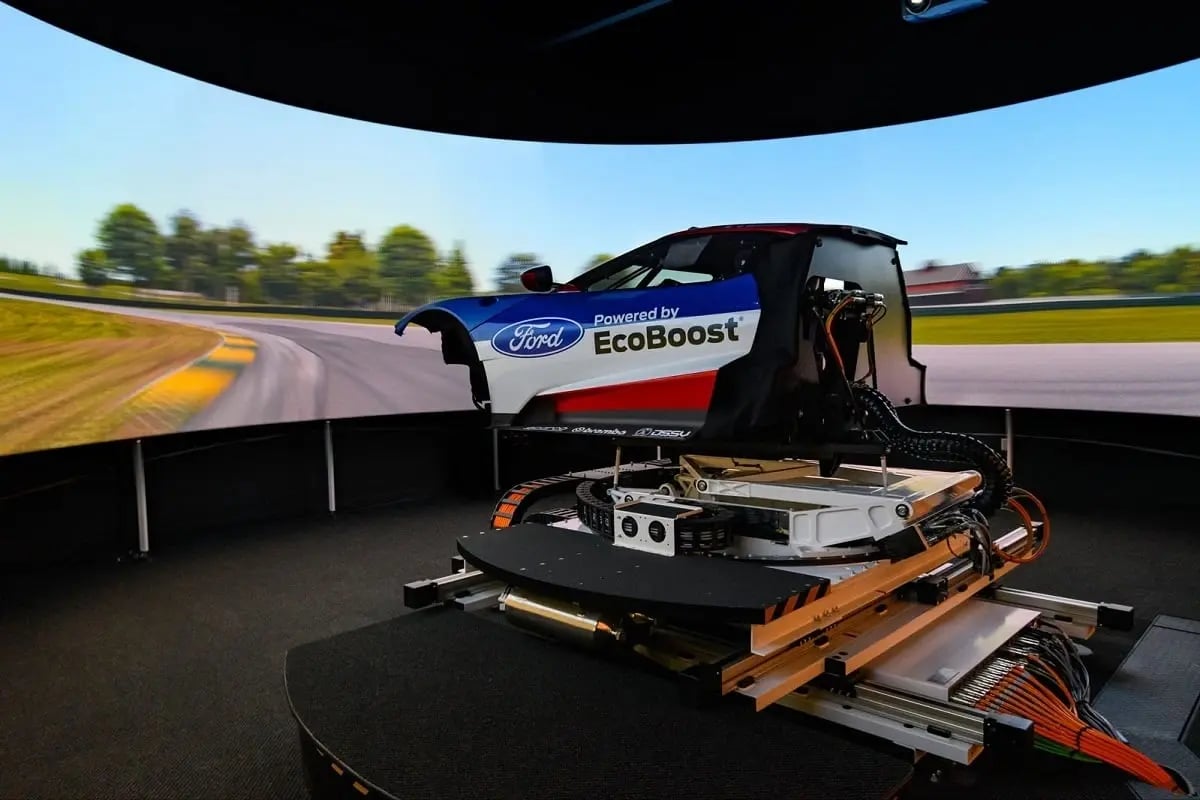
Vehicle dynamics development requires precision, correlation and repeatability. DIL simulation enables engineering teams to evaluate vehicle behaviours and key attributes in controlled, repeatable environments long before prototypes are available, and in parallel with physical testing.

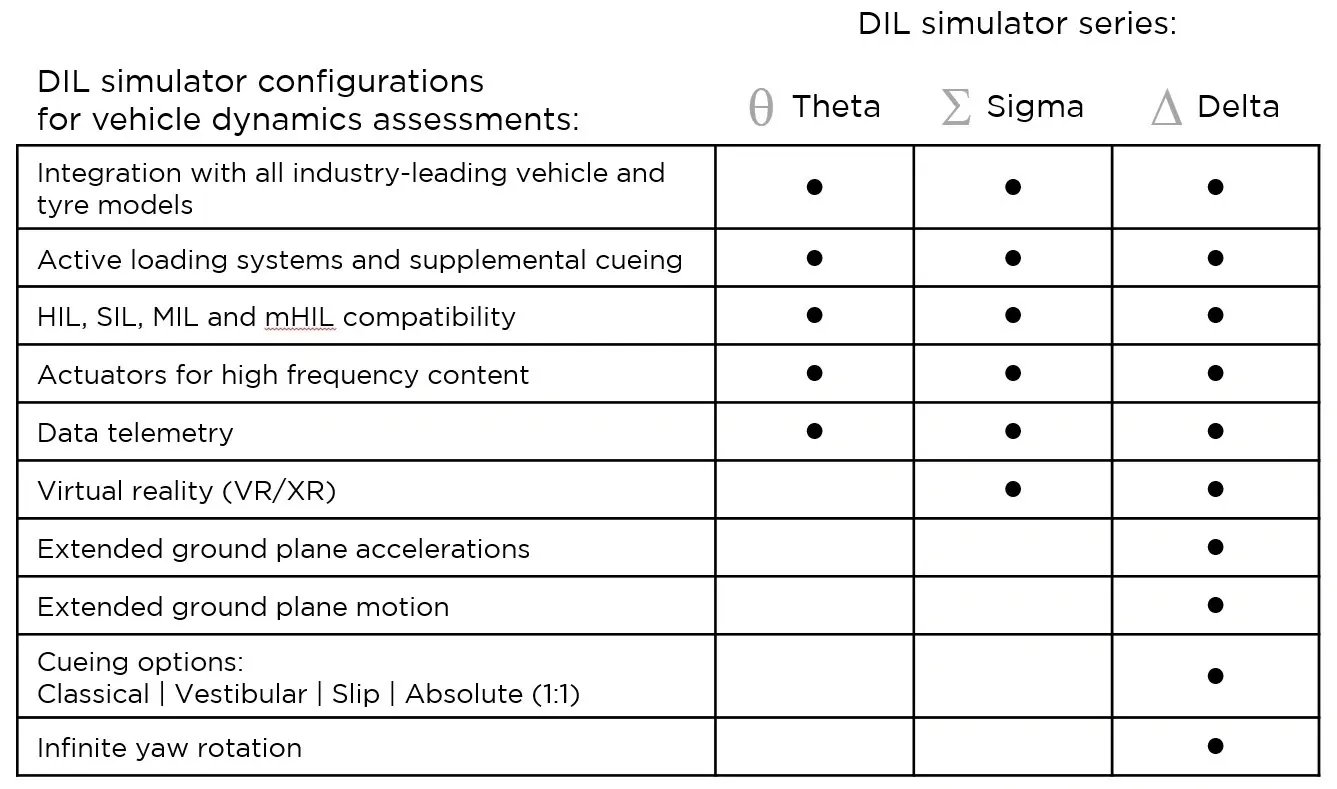
Ansible Motion DIL simulators are designed to support by providing high-fidelity capabilities that dovetail neatly within structured development workflows.

Ansible-Motion-spec-table-vehicle-dynamics

Correlation and Validation

Ansible Motion DIL simulators are designed to support repeatable, data-driven virtual test-driving sessions in a laboratory environment. Teams can then:

  • Evaluate vehicle performance earlier and more often in the development cycle
  • Refine tuning strategies more efficiently
  • Assess parameter changes in a perfectly controlled and repeatable environment
  • Support internal technical decisions with rich, trustworthy data

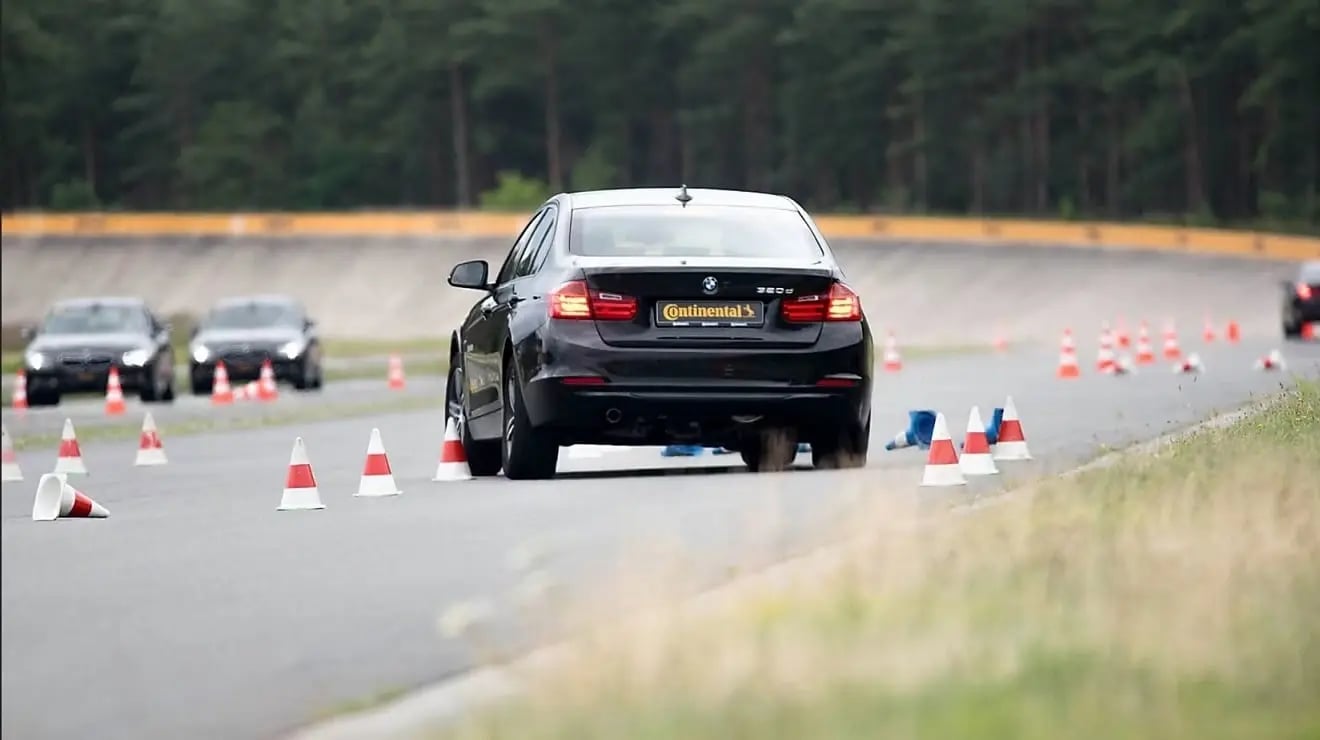
DIL simulation compliments physical testing by enabling structured pre-validations before track or proving ground testing occurs.

AML-Delta-S2-motorsport-vehicle-dynamics

Customer success stories: Vehicle Dynamics 

Ansible_Motion_AVL

AVL RACETECH

Ansible_Motion_FMC

Ford Motor Company

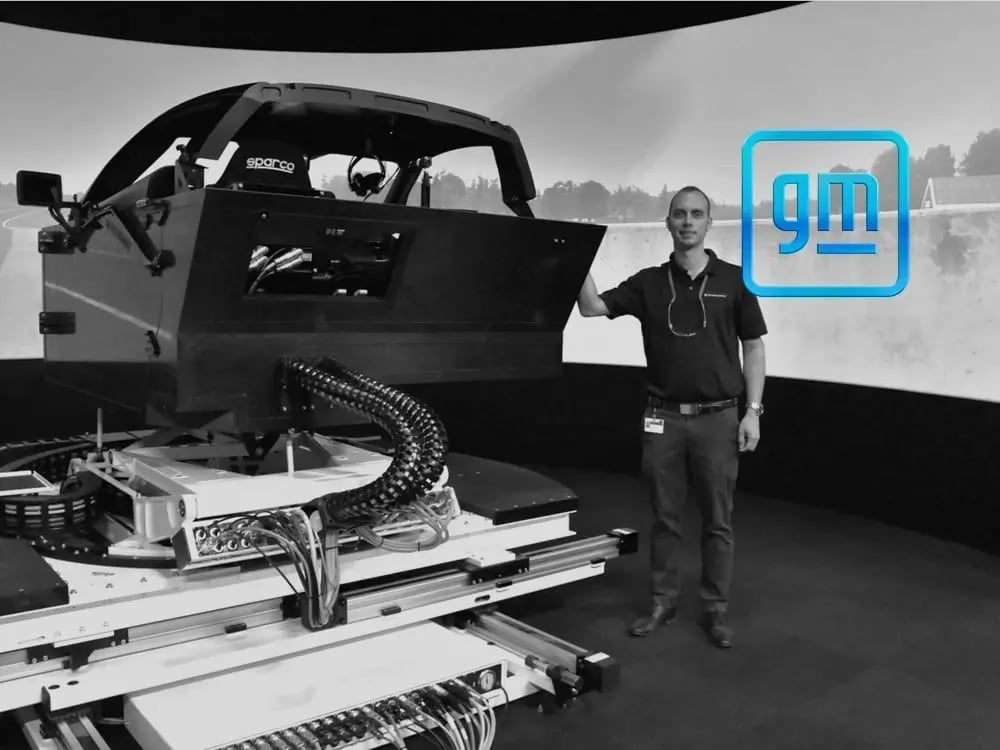
Ansible_Motion_GM

General Motors

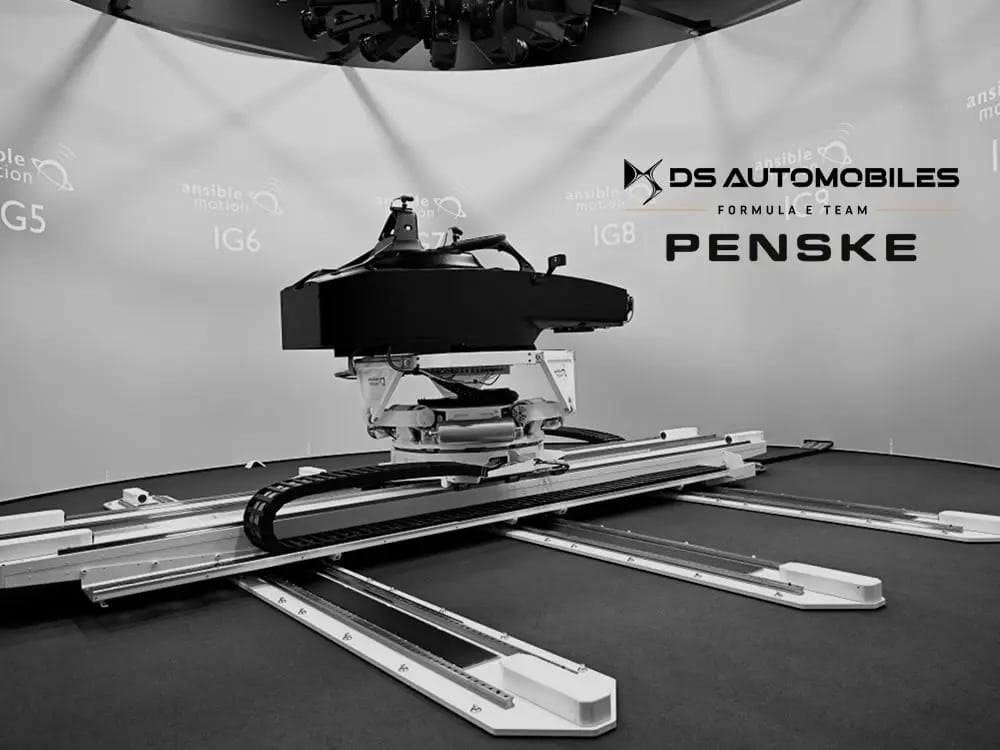
Ansible_Motion_DSP

Penske Autosport

Trusted By Industry Leaders

“It takes only half a day to produce the computer model that tests a new configuration of the car. That speed lets us try out things like different aerodynamic arrangements, in a variety of conditions, before we start cutting steel and spending lots of money. We can test four suspension setups, with four drivers, on four tracks, in a single day.”

Ansible Logos
Aaron Link
Lead Development Engineer, Chevrolet
“We’d drive the Mustang as it was set up and then change the bushings or spring rate, or tyre compounds. The simulator enabled us to quickly understand what that was doing to the ride and handling characteristics of the car. It really helped us to get the bones right before we got into physical prototypes.”
Ansible Logos (1)
Ron Heiser
Chief Programme Engineer Mach-E, Ford
“Our customers rely on virtual vehicle models to gain efficiency, improve performance and reduce cost during the vehicle development process. Investing in the Ansible Motion Theta C Driver-in-the-Loop simulator allows Michelin to satisfy the needs of our customers for reliable vehicle models by providing robust and accurate tire models.”
Ansible Logos (2)
Rajat Aggarwal
Tire Performance Expert, Michelin

Better by design:

10 Advantages of Ansible Motion DIL simulators

Explore Ansible Motion DIL simulators

Industry-leading motion platforms engineered for validation confidence. From compact solutions to full-scale professional systems.

Supporting Vehicle Development Workflows

DIL simulation does not replace or disrupt physical testing. It strengthens it.

By enabling earlier, more detailed explorations and rapid iterations, vehicle development teams can:

  • Reduce development risk and costs
  • Improve overall programme efficiency
  • Support informed engineering decisions
  • Reduce dependency on late-stage iteration and unexpected costs
  • Redcue resource consumption to support sustainability initiatives

Because DIL simulation invites human participation with imagined vehicle systems and environments, it fits perfectly within the wider vehicle development and evaluation process, bolstering both engineering confidence and programme efficiency.

AML-vehicle-dynamics

get in touch

Whether you’re evaluating simulation for the first time or expanding an existing programme, we’ll help you assess what’s right for your needs.